
Heavy Strategy Games
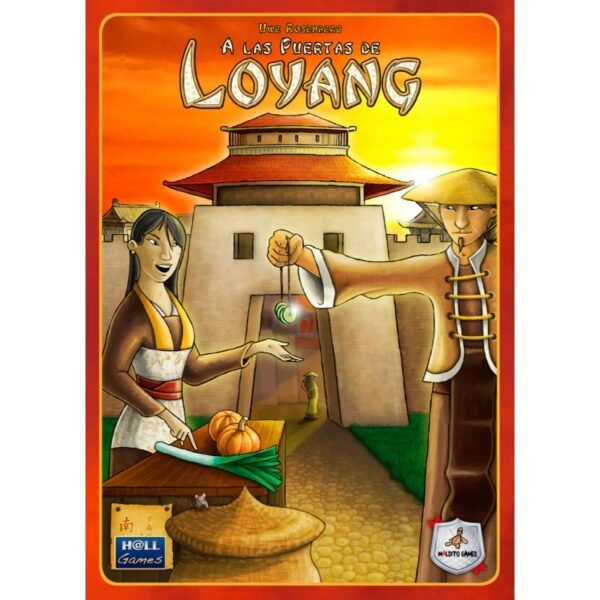
At The Gates Of Loyang
At the Gates of Loyang is a trading game in which you are able to produce goods by planting them and later selling them to customers. You can use the abilities of some helpers to increase your income or production. Fields, customers, helpers, and miscellaneous objects are represented by cards. Each player receives two of…
Add To Cart


Related Products
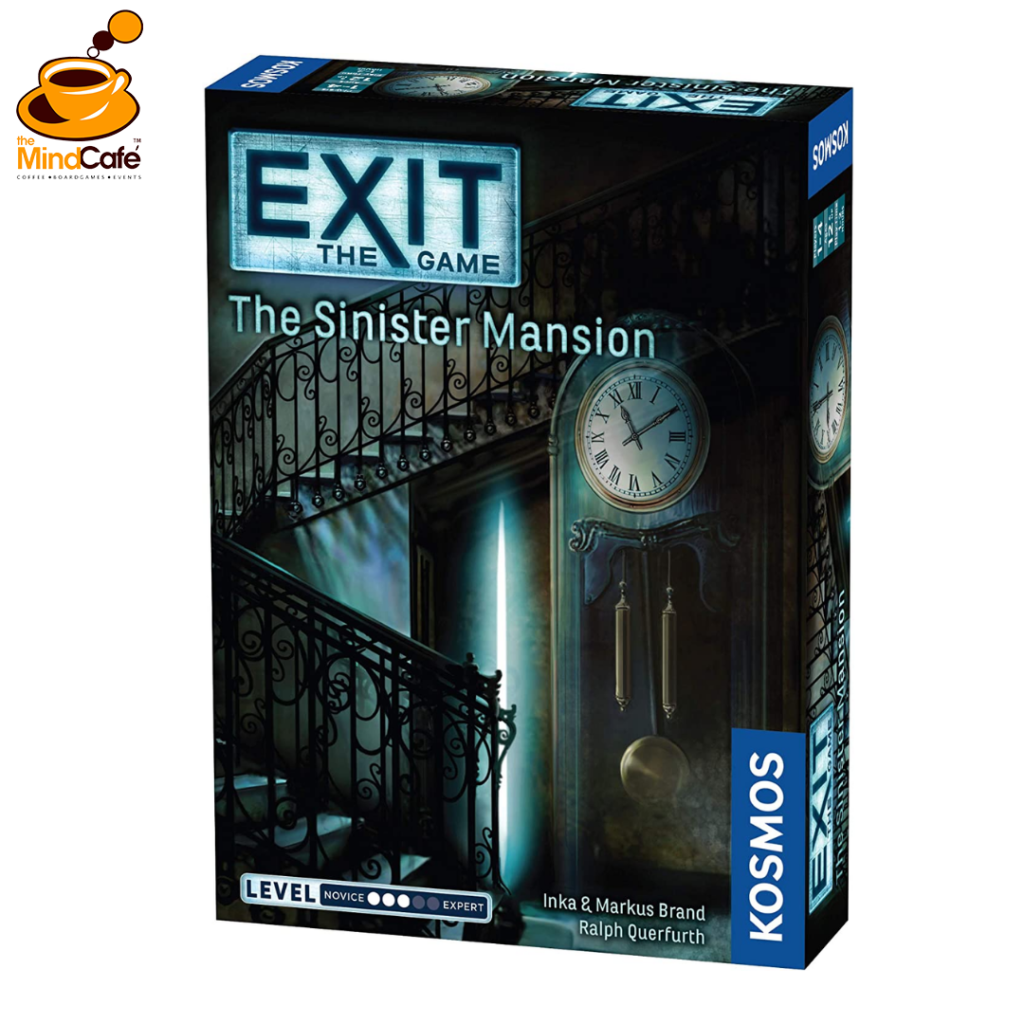
Exit The Sinister Mansion
You are invited to be a guest At a Palatial Mansion, but upon arrival, You find yourselves forced to take part in a macabre game. The clock is ticking, and there is not much time left to solve the puzzles. Can you escape the mansion before it's too late? Game
$34.90
Add To Cart
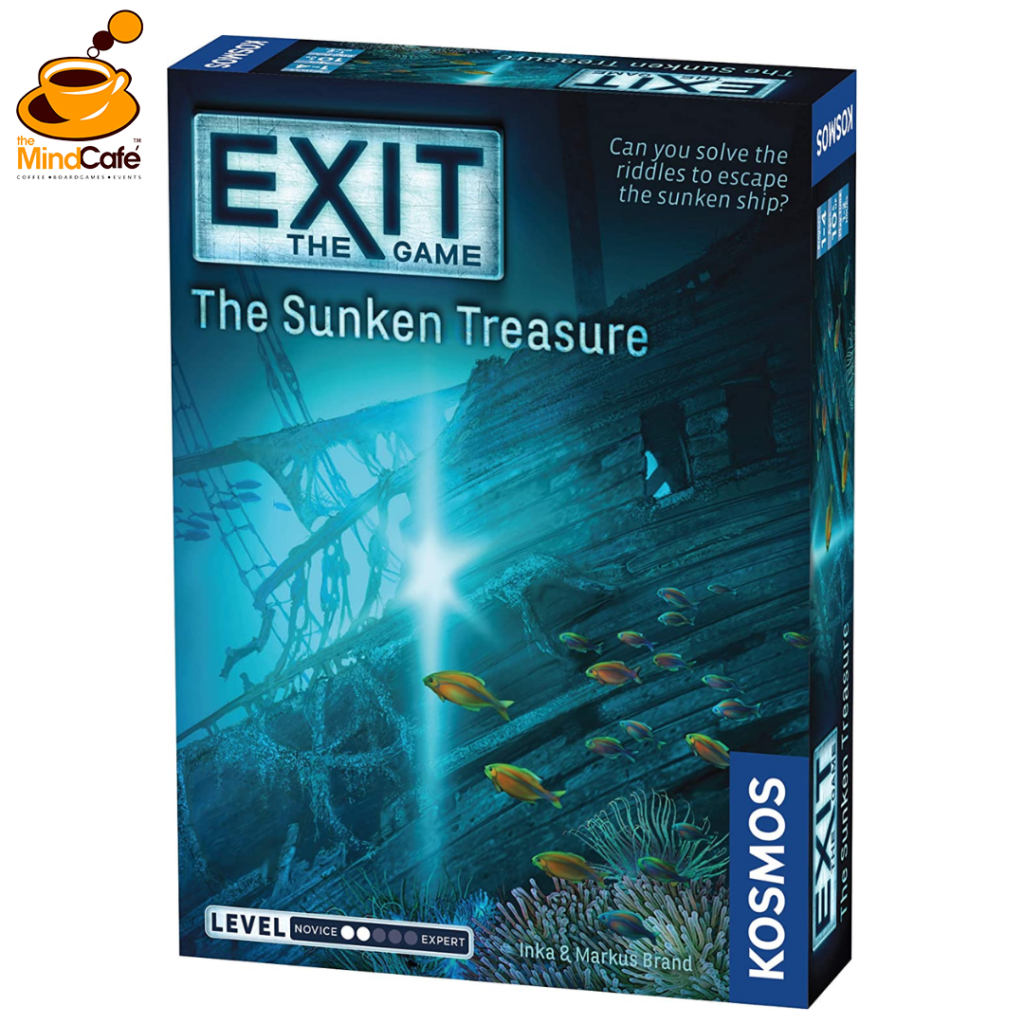
Exit The Sunken Treasure
Setting sail for dangerous waters, you embark on a treacherous quest for the legendary treasure of the Santa Maria. While investigating a mysterious shipwreck, something goes terribly wrong and you are trapped deep underwater! Can you solve the riddles of the wreck and recover the treasure before your time is
$34.90
Add To Cart

7 Wonders: Armada
Game Description: 7 Wonders: Armada is an expansion for 7 Wonders that can be combined with the base game or any combination of expansions. With this expansion, each player gets a separate "naval" board at the start of the game in addition to their wonder board. The expansion includes additional
$75.90